The rich and the poor
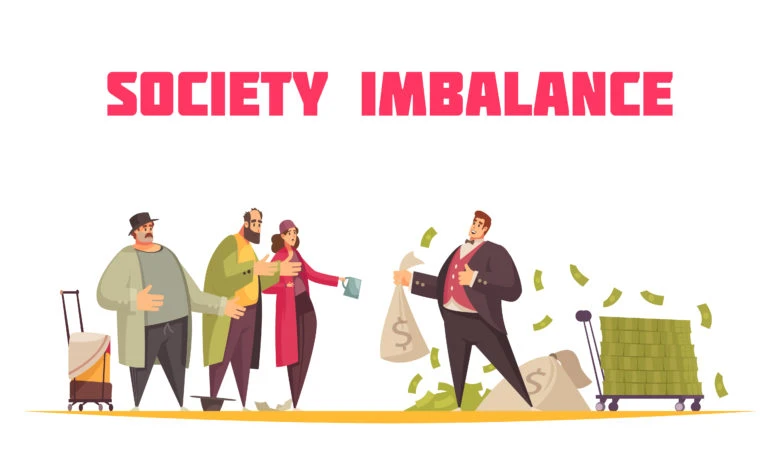
We live in a society that is polarized into haves and have-nots. The wealthy, with their lavish lifestyles, luxury goods and mansions, are seen as the pinnacle of prosperity. The poor are thought to have less opportunities afforded by the system or simply be lacking in self-discipline. This divide between rich and poor could not be closer than it is now – with only a few majorly wealthy individuals ruling over millions struggling to make ends meet – but it has been present since America was first founded.
In the late 1700s, 60 percent of the nation’s income was held by only 2 percent of the population, while nearly 80 percent earned less than $1,000 a year. Incomes increased rapidly throughout most of the nineteenth century, but this growth slowed after World War I. While real incomes for most Americans grew during the 1920s, about 15% of all households owned stocks and a small number benefited from major capital gains. The distribution of wealth became more unequal during the 1920s than at any time since 1917.
As the rest of the nation was enjoying this economic boom, a new generation of African Americans began to rebel against the main pillars of white supremacy. As a result, blacks and whites began to drift apart socially. This was true not only between whites and blacks; a similar division was found among working classes, who were becoming increasingly resentful of their wealthy counterparts.
These divisions made it difficult to reach agreements on political policies or to foster national unity.